
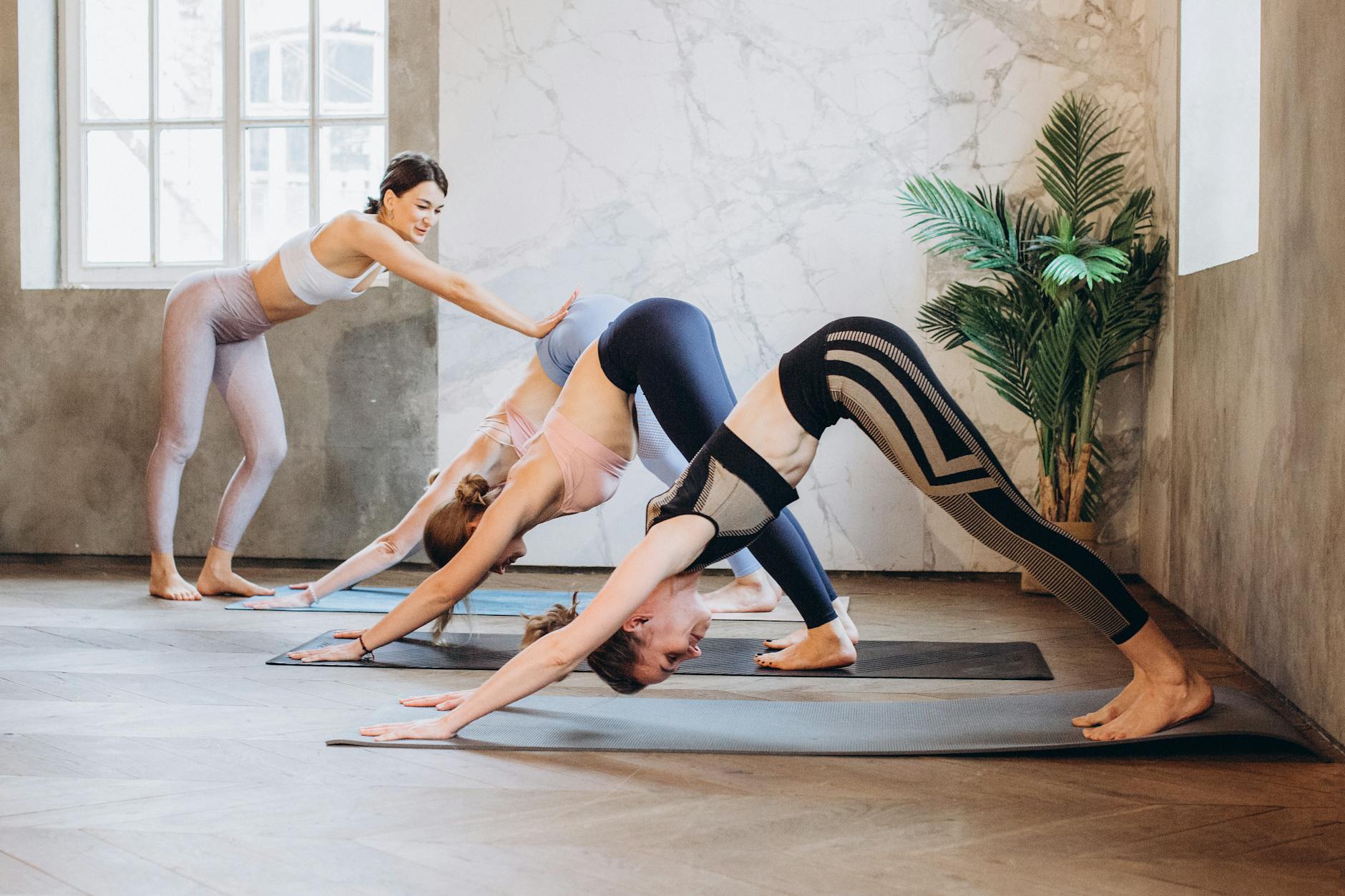
If there’s one yoga pose that embodies balance, strength, and serenity, it’s Adho Mukha Svanasana, also known as Downward-Facing Dog. This fundamental posture is a staple in yoga practice, offering a full-body stretch and revitalization. Whether you are a beginner or an experienced yogi, incorporating this pose into your routine can provide tremendous physical and mental benefits.

Why is Downward-Facing Dog So Popular?
Many yoga practitioners consider Downward Dog an essential part of their daily practice. It’s often the first pose taught in yoga classes and is frequently used in transitions between other asanas. Some yogis even say that a day without this posture feels incomplete!
Beyond its foundational nature, Adho Mukha Svanasana is a mini yoga session on its own, combining elements of strength, flexibility, and relaxation. It’s also one of the most versatile poses—whether you use it to warm up before intense activity or to unwind after a long day, this pose never fails to deliver.
How to Practice Adho Mukha Svanasana Correctly
To fully reap the benefits of this pose, it’s crucial to perform it correctly. Here’s a step-by-step guide:
- Start in Tabletop Position – Begin on all fours with your hands aligned under your shoulders and knees under your hips.
- Spread Your Fingers Wide – Ensure your middle fingers point forward, and distribute your weight evenly across your palms.
- Engage Your Core – On an exhale, pull your navel inward and tuck your toes under.
- Lift Your Hips – Push your hips toward the ceiling, forming an inverted V shape with your body.
- Straighten Your Legs – Keep your knees slightly bent at first, then gently work toward extending them.
- Press Heels Toward the Floor – Even if they don’t touch, actively push them downward without forcing.
- Relax Your Neck – Keep your head between your arms and gaze toward your navel or knees.
- Hold for 5-10 Breaths – Maintain deep, steady breathing, feeling the stretch throughout your body.
- Release Gently – Lower your knees back to the mat or transition into Child’s Pose for relaxation.
The Benefits of Downward-Facing Dog
This pose is often described as a one-pose therapy because of its extensive benefits:
✔ Improves Flexibility: Stretches the hamstrings, calves, spine, and shoulders. ✔ Builds Strength: Engages the arms, shoulders, and core muscles. ✔ Reduces Stress: Calms the mind and relieves tension in the neck and back. ✔ Enhances Circulation: Encourages blood flow to the brain and organs. ✔ Supports Posture: Strengthens the back and improves spinal alignment. ✔ Prepares the Body for Other Poses: Works as a warm-up for deeper asanas.
Precautions & Modifications
While Downward Dog is safe for most people, it may not be suitable for everyone. Avoid this pose if you have:
- Glaucoma or retinal disorders (due to pressure on the eyes).
- A hernia or late-stage pregnancy (opt for Half Downward Dog against a wall).
- Wrist pain or injuries (place your hands on yoga blocks or a chair for support).
- Menstruation discomfort (listen to your body and modify as needed).
For tight hamstrings or calves, slightly bending the knees can help ease into the stretch. You can also practice with heels turned slightly outward to enhance the calf stretch.
Spiritual Significance: Finding Balance in Opposites
Yoga is not just about physical movement—it’s a practice that integrates mind, body, and spirit. In the Yoga Sutras, Patanjali describes the balance of abhyasa (discipline) and vairagya (letting go) as the key to spiritual practice. Downward Dog beautifully exemplifies this concept: the strength of the arms and shoulders contrasts with the release of the back and legs, creating harmony between effort and surrender.
Integrating Adho Mukha Svanasana Into Your Daily Routine
You don’t need a full yoga session to benefit from Downward-Facing Dog! Here are some simple ways to integrate it into your routine:
- Morning Wake-Up Stretch – Do this pose right after waking up to energize your body.
- Pre-Workout Warm-Up – Use it to prepare your muscles before jogging or strength training.
- Midday Break – Take a 30-second stretch at your desk to relieve tension.
- Evening Wind-Down – Incorporate it into your relaxation routine before bed.
Final Thoughts
Adho Mukha Svanasana is much more than just a yoga pose—it’s a transformative practice in itself. Whether you’re looking to build strength, increase flexibility, or find a moment of peace, this asana is a powerful tool for overall well-being.
So, next time you step onto your mat, take a deep breath, lift your hips, and embrace the magic of Downward-Facing Dog!
References
- Lasater, J. (2001). Yoga: 30 essential poses: Beginner’s guide to building strength, balance, and inner peace.Rodmell Press.
- Iyengar, B. K. S. (2001). Light on Yoga: The Classic Guide to Yoga Practice. Thorsons.
- Swami Satchidananda. (2012). The Yoga Sutras of Patanjali: Commentary on the Raja Yoga Sutras. Integral Yoga Publications.
Leave a Reply